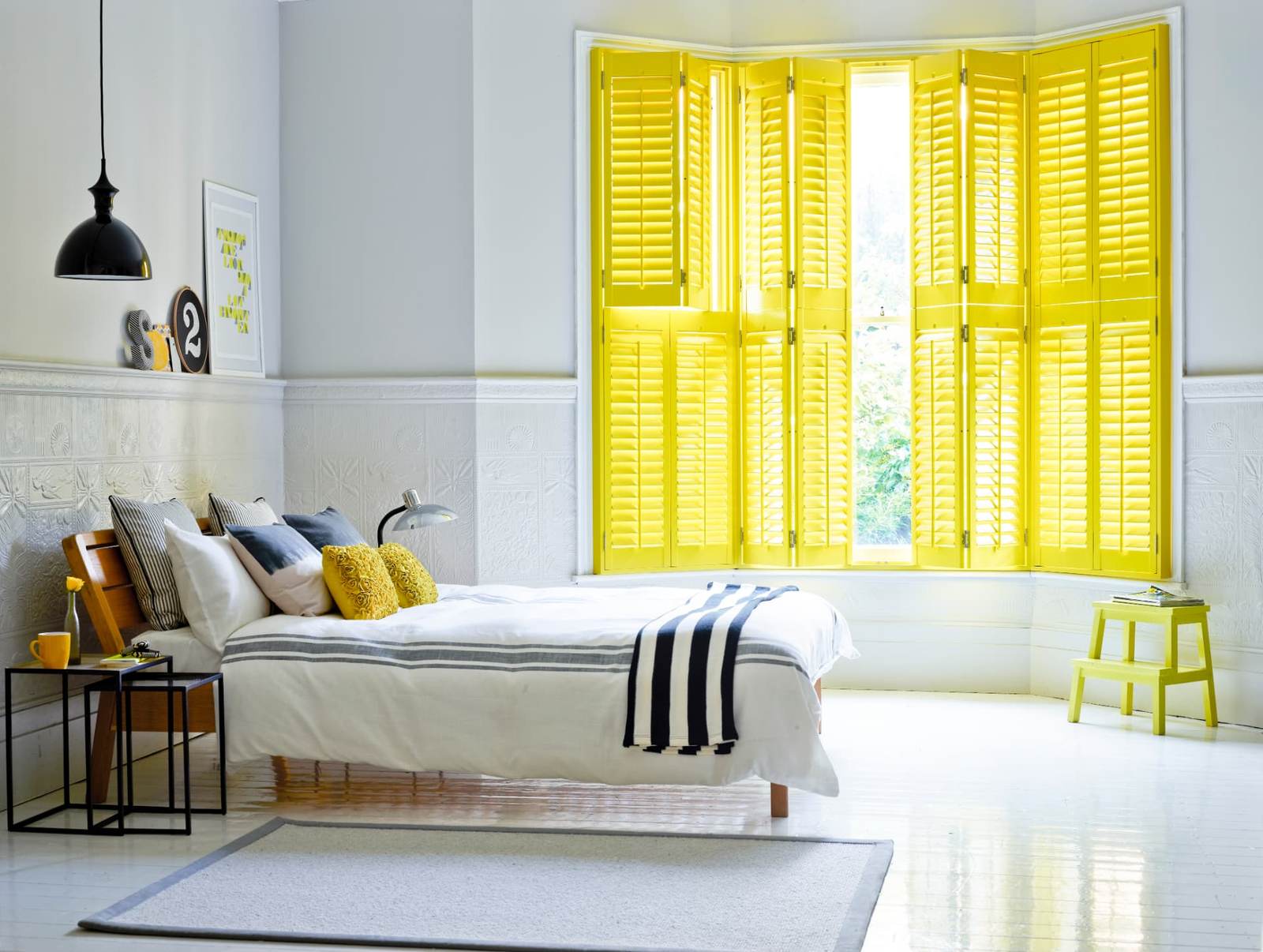
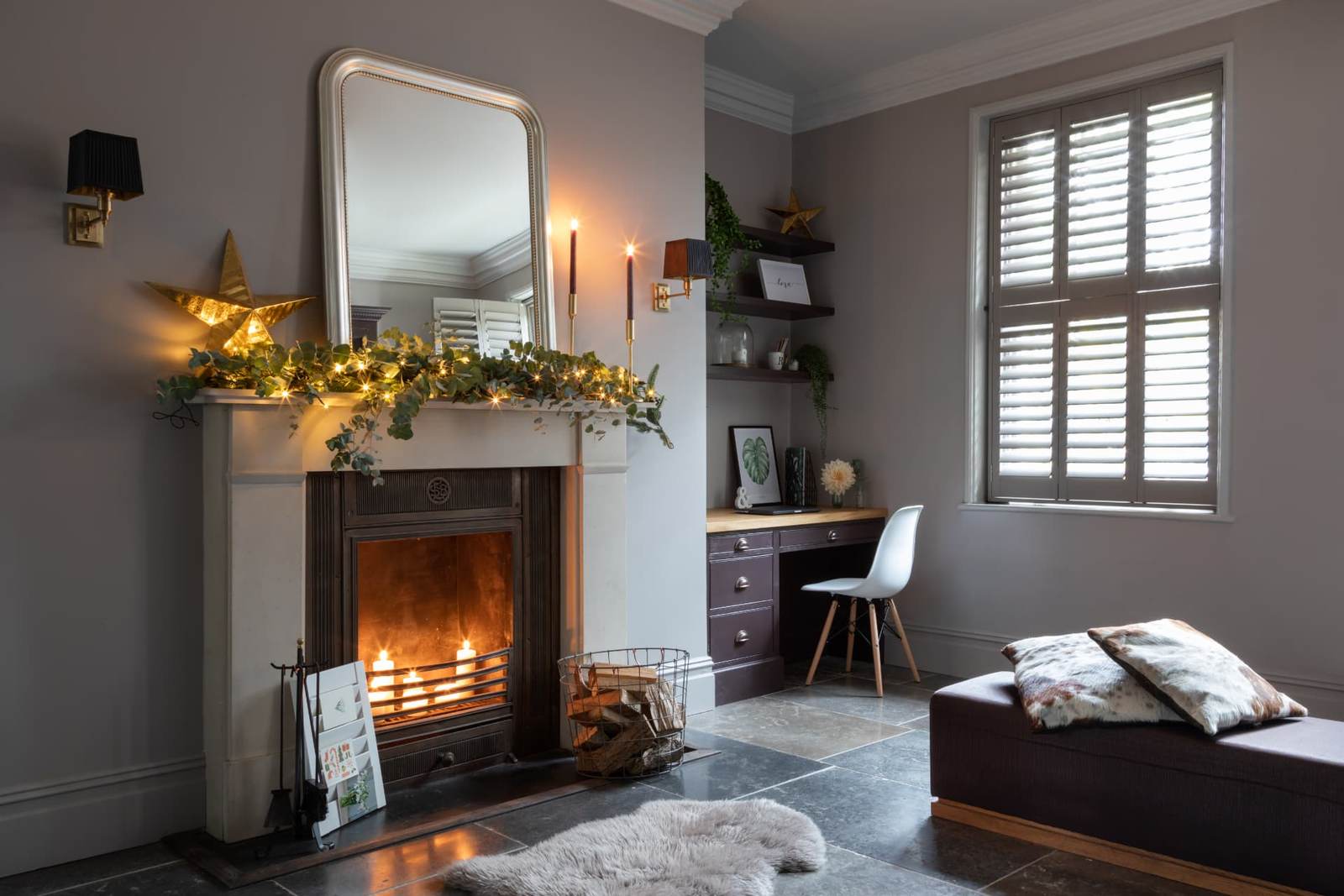
What actually happens at the window
Most of the cold you feel by a window in a British winter is not air leaking in. It is convection: air touching cold glass, cooling, dropping and running across the floor. That is the draught people feel around their ankles in a period sitting room.
A closed shutter interrupts that cycle. It puts a solid face in front of the glass with a pocket of still air between the two, so the cooled air circulates in a smaller space instead of spilling into the room. The measurable temperature change may be small, but the change in how the room feels to sit in is not.
What makes the difference
Closure quality matters more than material. A well surveyed frame that closes tight to the reveal is doing the work, and a panel with gaps around it is not, whatever it is made of.
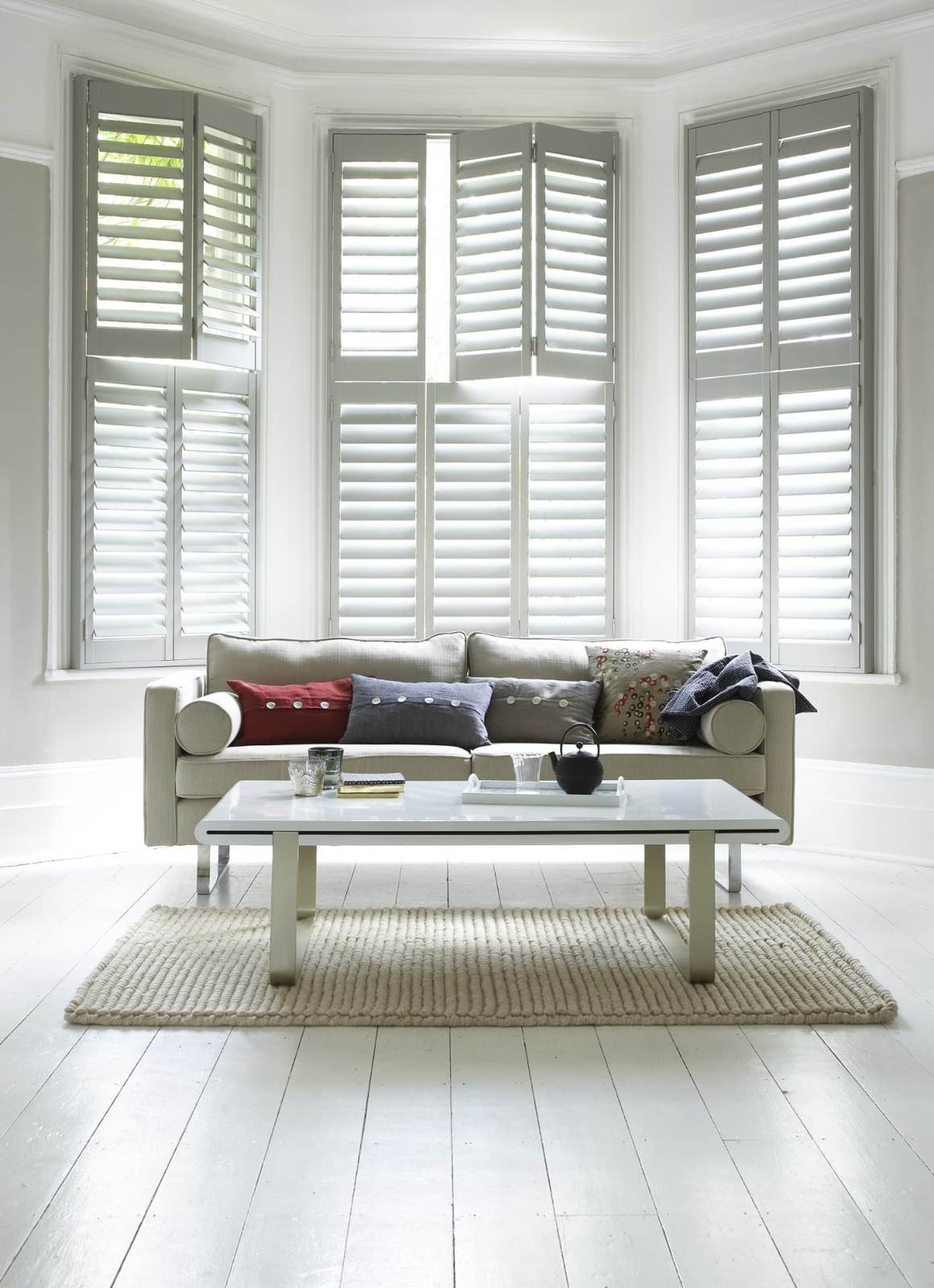
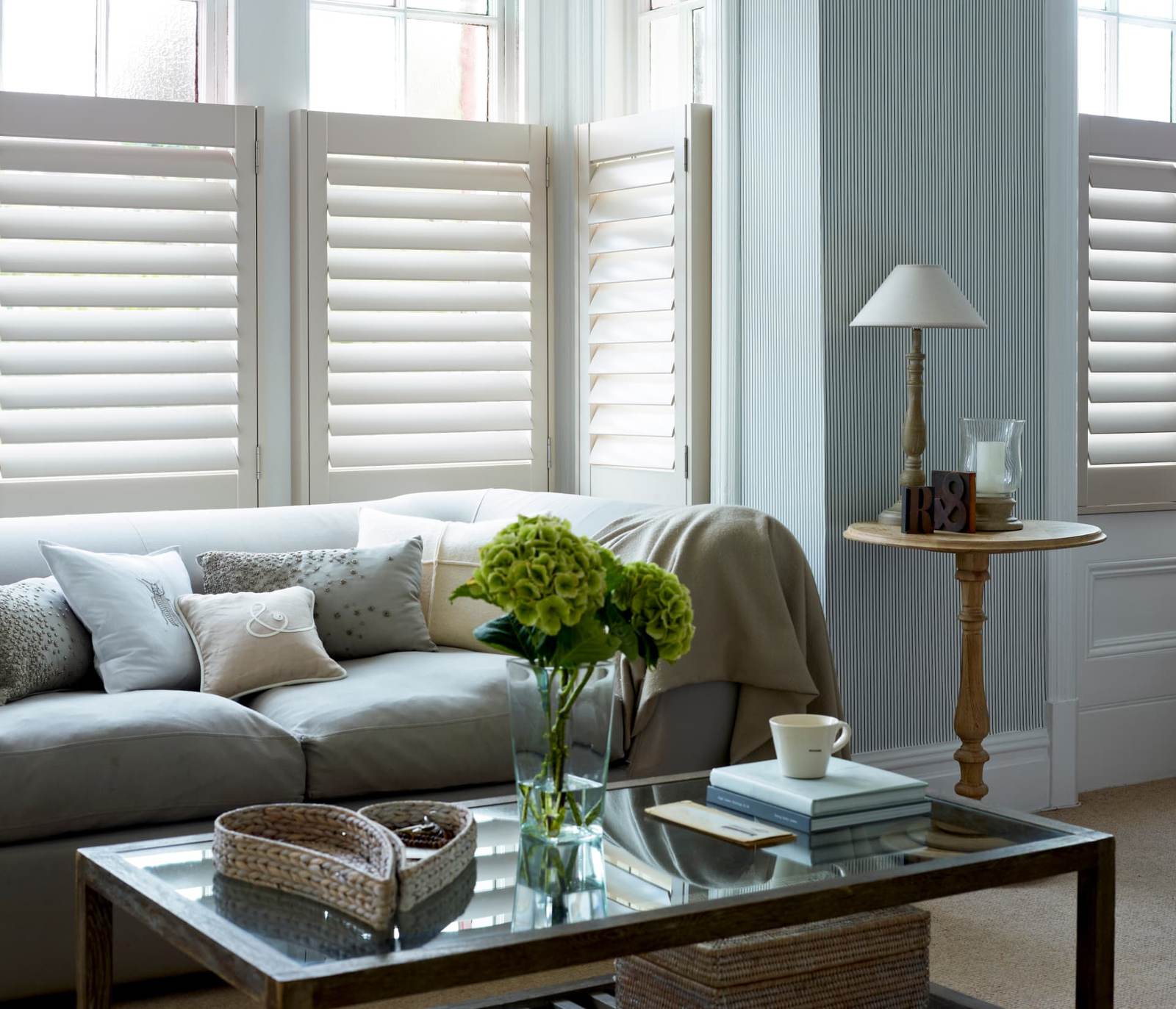
Solid panels, with no louvres, are the strongest performer because there are no gaps at all. Full height louvred panels closed tight come next. Café style, which leaves the top of the window uncovered, does very little for warmth by definition.
Recess fitting also helps, because the shutter sits inside the reveal and closes the air pocket at the sides.
Where curtains do more
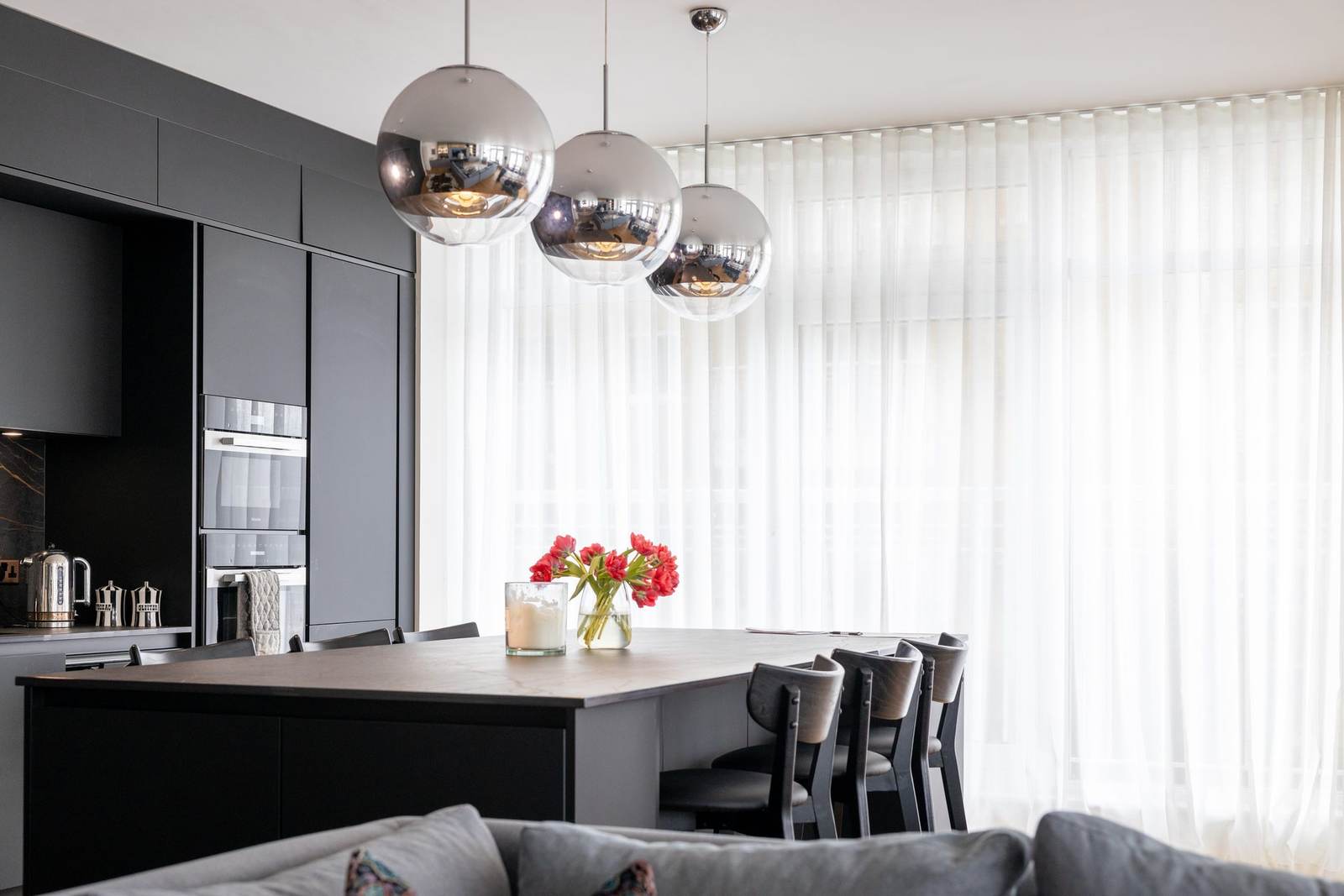
If warmth is your primary objective, interlined floor length curtains outperform shutters. Fabric with an interlining is a thicker, softer barrier, it drapes past the reveal at the sides, and a full length curtain closes off the gap below the sill that a shutter leaves open.
The strongest combination is both: shutters inside the reveal, curtains hung outside and above it. The shutter handles the day, the curtain handles the evening, and the two together are considerably better than either alone.
Summer, which is the underrated half
Shutters are more useful in July than in January. Tilting the louvres against direct sun blocks solar gain before it heats the room, and unlike a closed curtain you can do it without losing the daylight or blocking an open window.
In a south or west facing room, or a glazed extension, this is the single most effective thing a shutter does for temperature. For roof glazing and lanterns, where summer heat is worst, cellular blinds beat shutters outright and we would specify those instead.