Start with the honest comparison
A made to measure roller blind on a standard living room window might be £150. A shutter on the same window is in the region of £600 to £700 including fitting and VAT. That is not a small difference and nobody should pretend otherwise.
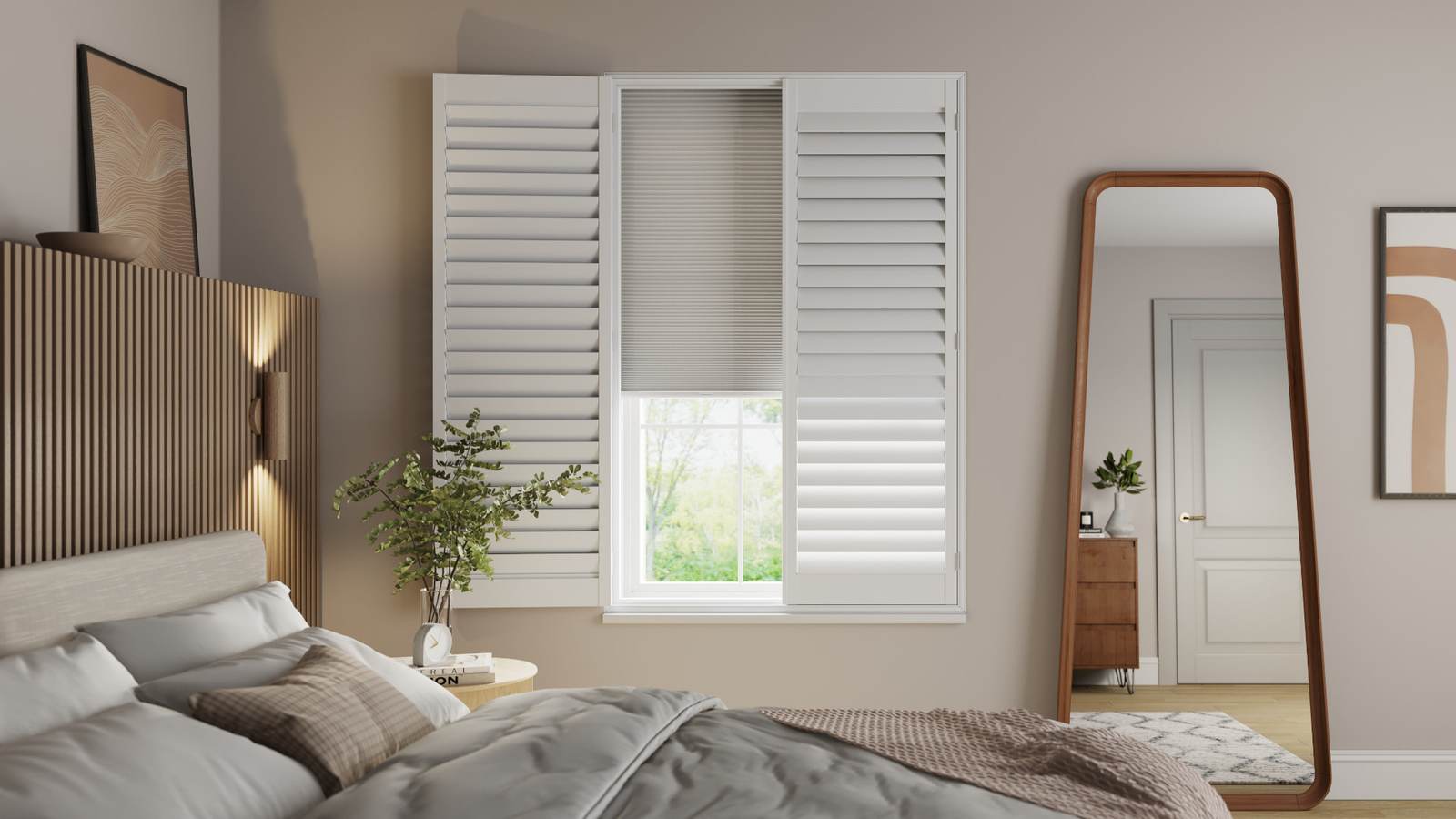
What you are buying at that price is a piece of fitted joinery rather than a soft furnishing. It is measured to the millimetre, hung in its own frame, and finished to the same standard as cabinetry. It stays with the house.
Where the value genuinely is
- Lifespan. A blind is a consumable and most households replace them every five to eight years. Shutters are a fixture, and ten to twenty years of service is a reasonable expectation with almost no intervention.
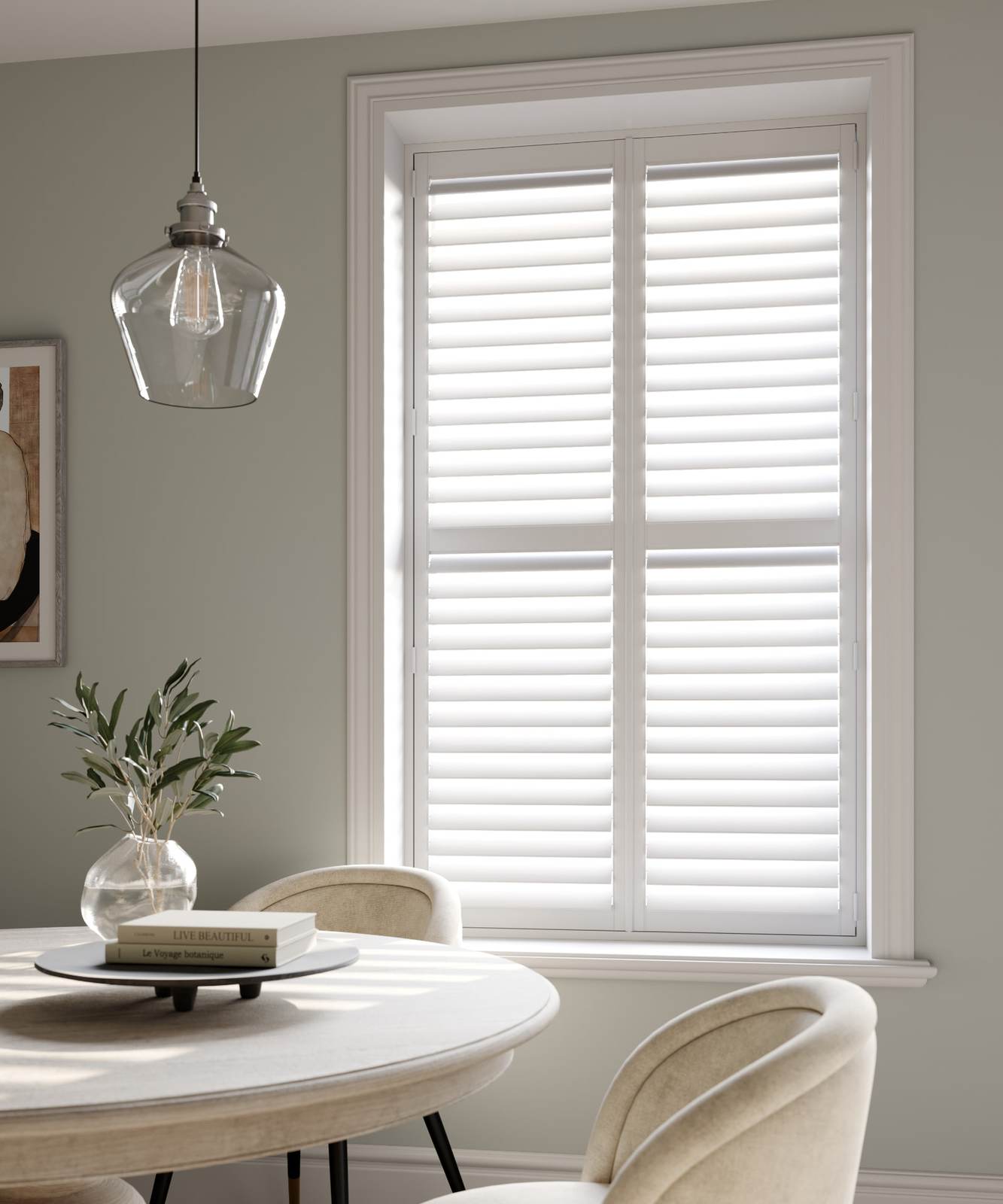
- Light control that is actually controllable. A blind is up or down. Louvres tilt, so you can push daylight up onto the ceiling while stopping anyone seeing in at eye level, which is a genuinely different capability.
- Maintenance. Tilt them closed, run a duster along them, tilt them the other way and repeat. That is the whole job, every few weeks. No dry cleaning, no taking curtains down, no cords fraying.
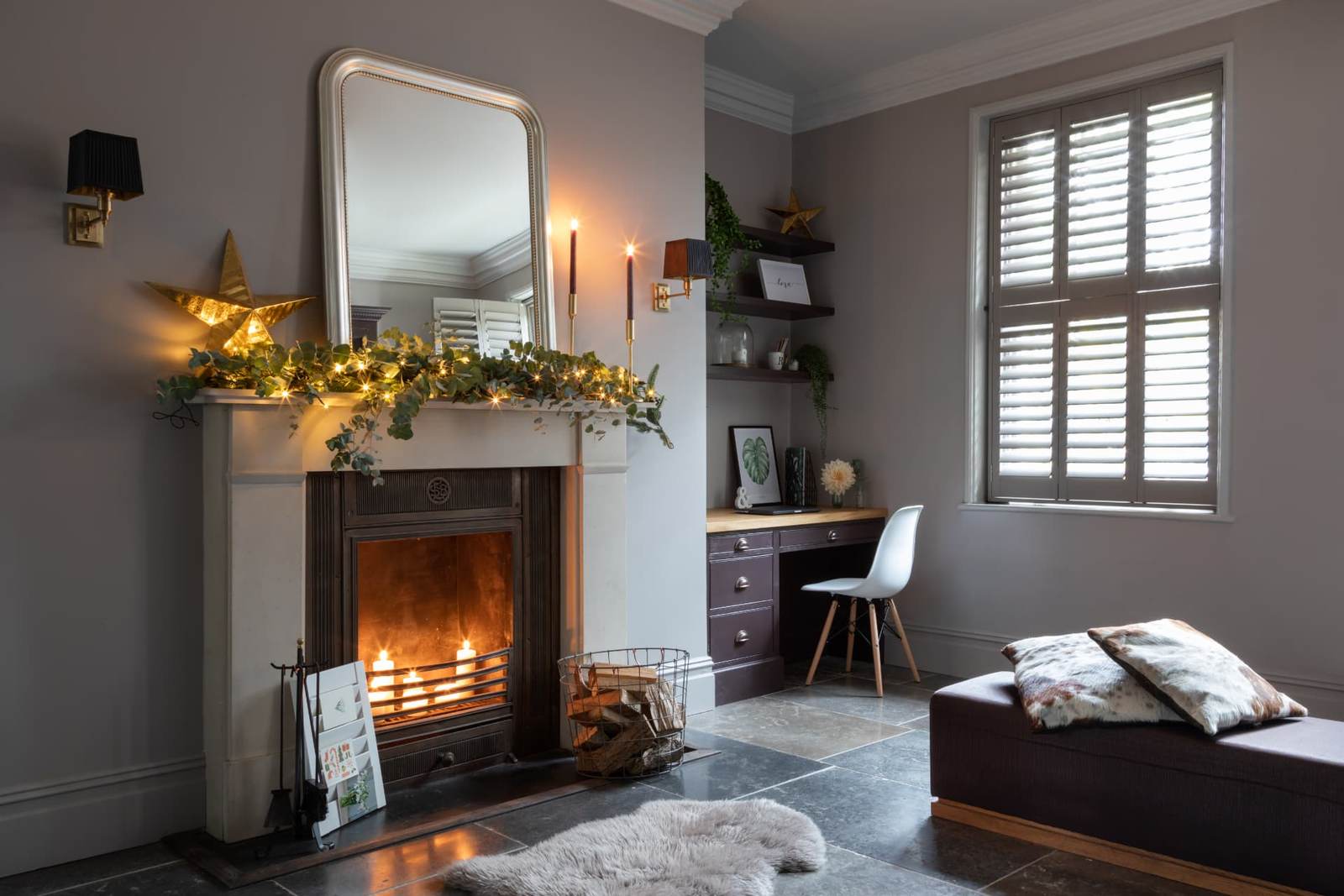
- The look of the window. Panels sit inside the reveal and read as part of the architecture. Curtains and blinds sit in front of it and read as something added.
- Draughts. Panels close against a frame, which puts a second barrier across the opening and reduces the movement of cold air off the glass. That is worth having in an older house, though it is not insulation in the building fabric sense.
- Appeal at resale. Buyers notice fitted shutters and estate agents photograph them. We would not claim a specific uplift figure because nobody can honestly evidence one.
The costs people forget to weigh up
Shutters are not free of trade-offs, and a company that lists none is selling rather than advising.
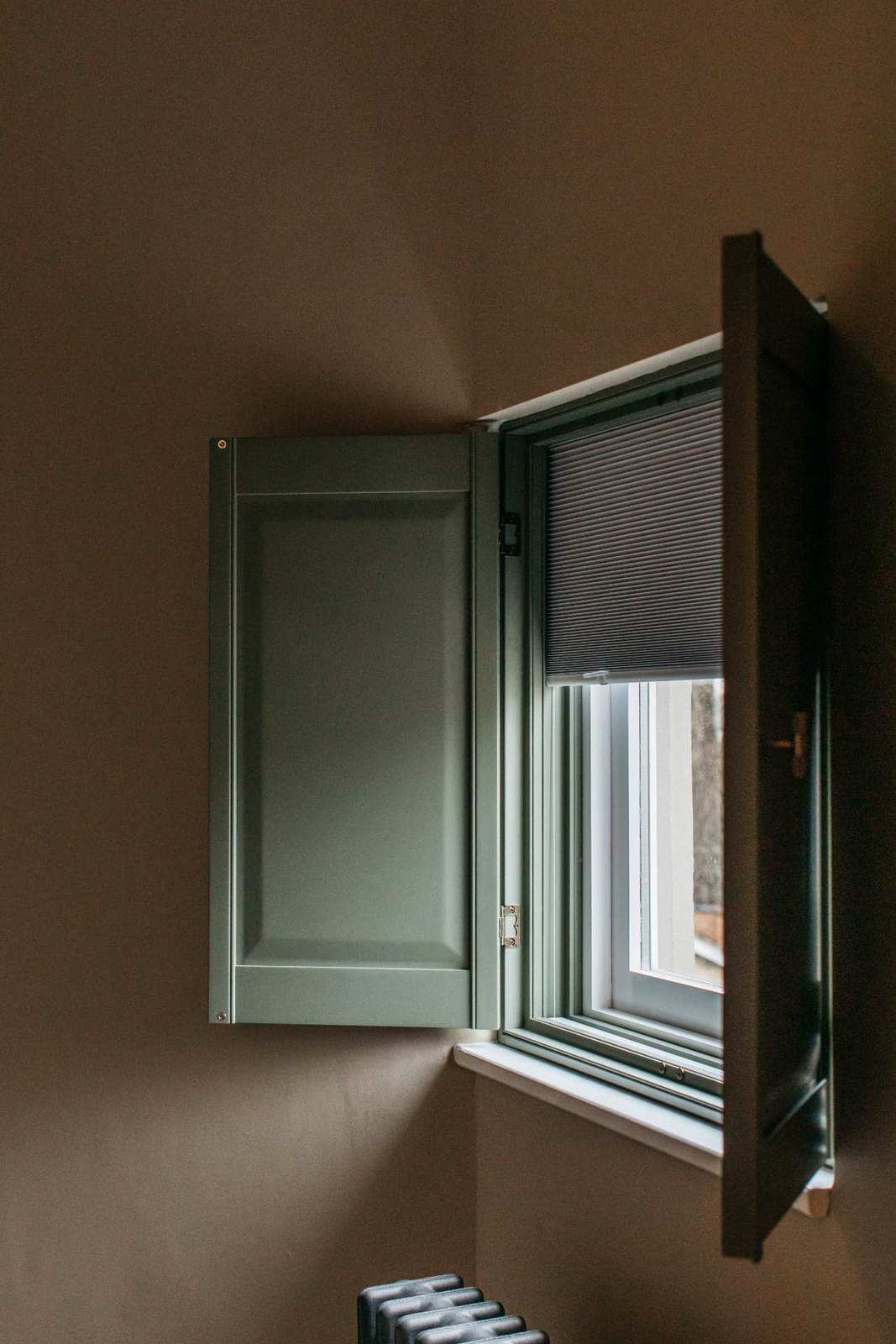
They take around nine weeks to arrive, so they are no use if you move in on Friday and need privacy by Saturday. They are fixed to the window, so you are committing to a look for a long time. Panels occupy some of the reveal, and on a very shallow reveal that means a face fitted frame that sits slightly proud of the wall. And they do not black out a room, which we cover in detail in our article on blackout.
When we would tell you not to buy shutters
There are four situations where we would rather have an honest conversation than take the order.
If you need true blackout in a bedroom and only blackout will do, a shutter on its own will disappoint you. We would specify shutters with an integrated blackout blind behind the panels, or pair them with a separate roller, and if the budget only covers one product then the blind is the one that solves your problem.
If the budget is genuinely tight and you have a whole house of bare windows, good quality blinds everywhere will improve daily life more than shutters in one room and nothing anywhere else.
If you are renting, or in a home you expect to leave within a couple of years, you will not get the value back. Shutters are made for your openings and rarely fit the next house.
And if the window is wide, low and used as a thoroughfare, patio doors that get opened twenty times a day for instance, a tracked shutter system works but a well chosen blind or curtain may simply suit the way you live better.
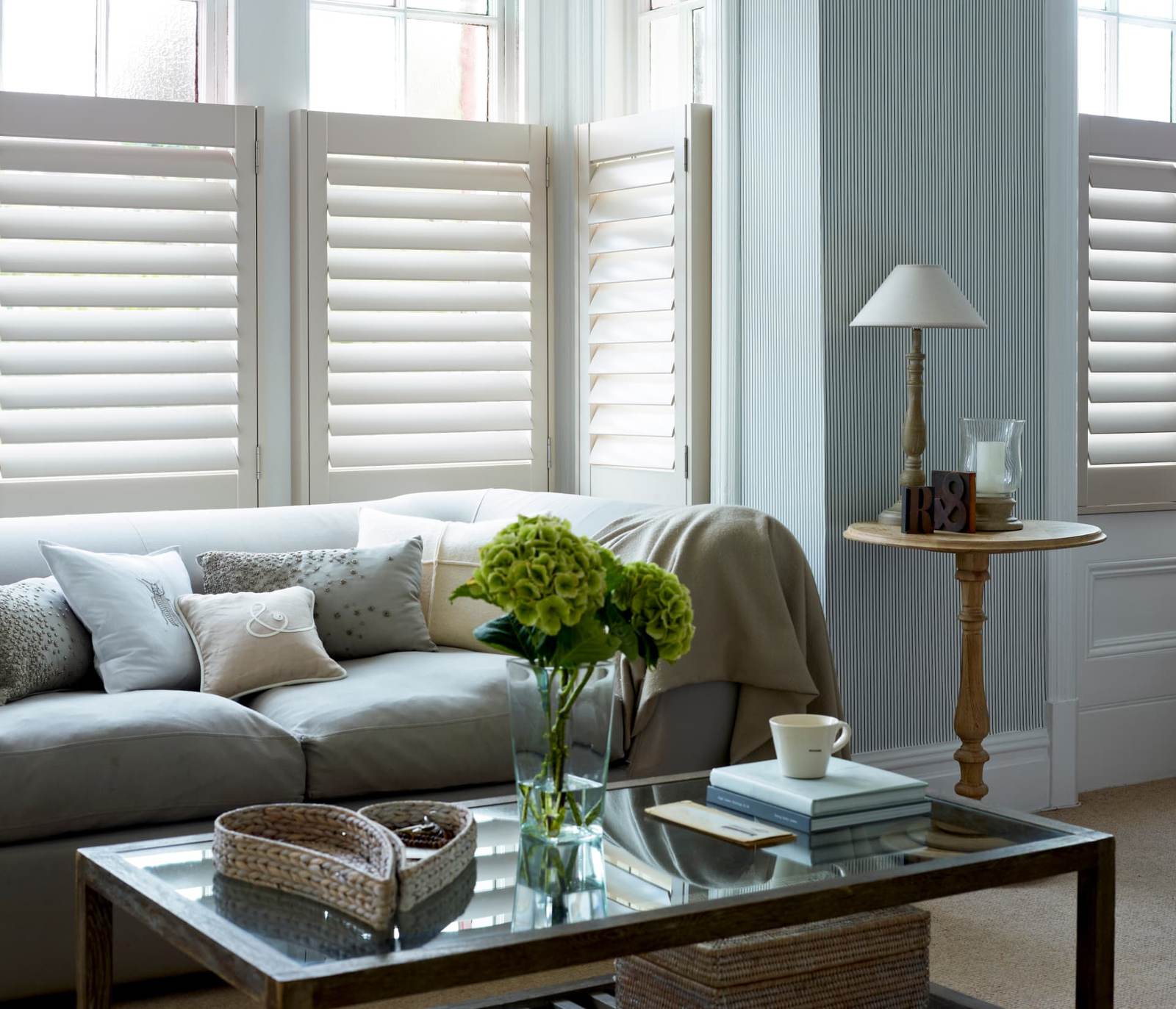
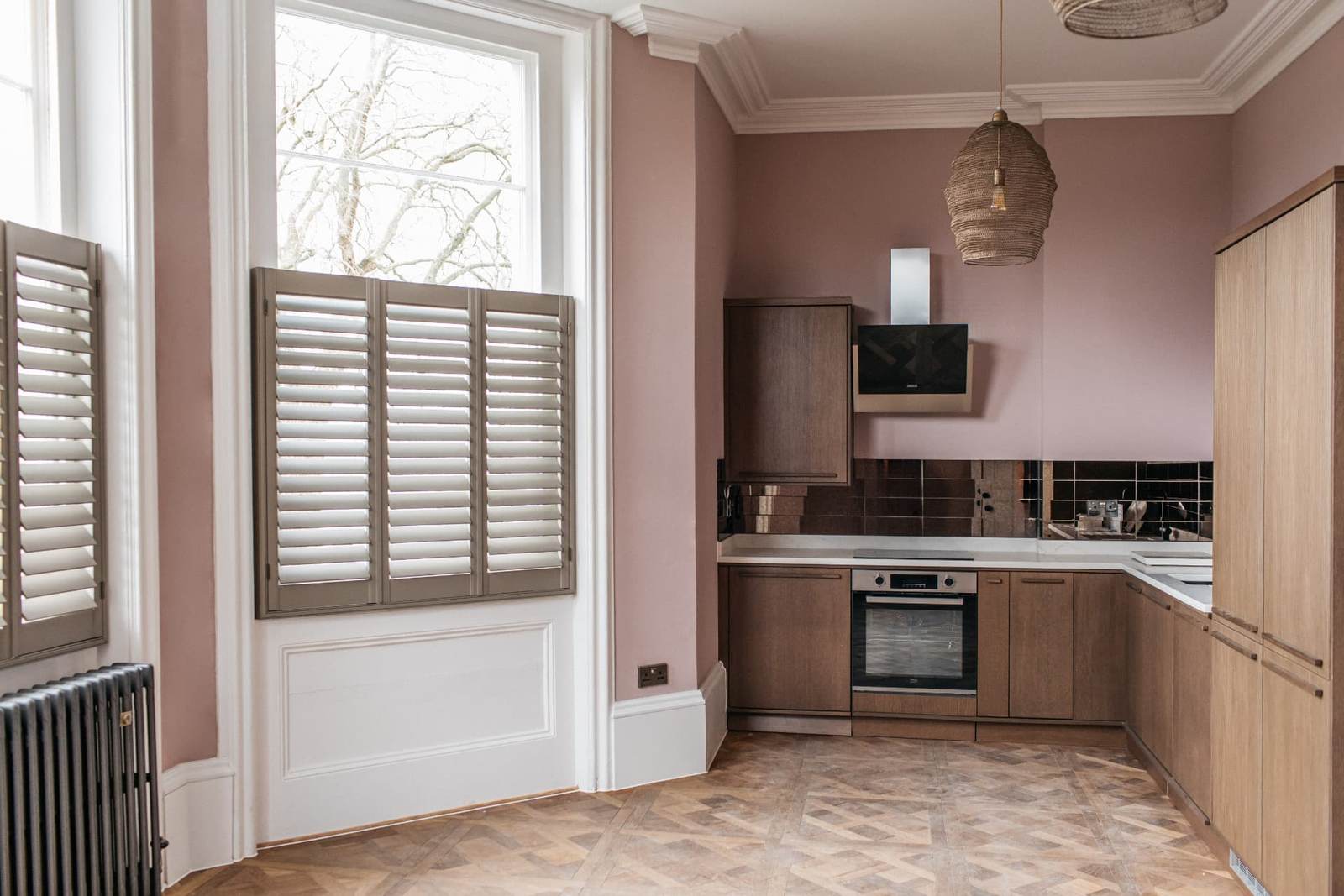
A café style installation is often the clearest value case we see. Covering only the lower part of the window costs less than dressing the whole opening, solves the privacy problem completely on a street facing room, and leaves the top of the window clear so the room keeps its light. When people ask whether shutters are worth it, this is frequently the configuration that makes the answer yes.
From our projects
Café style in a working kitchen
Privacy at the sink, daylight everywhere else.
See the projectThe ten year view
Set the cost against the period you will own it. Shutters on a living room bay at £1,600 across fifteen years is a little over £100 a year, and in that time you will have replaced the blinds in the same window two or three times.
That is the fair way to judge it. Judged as a one off purchase against a blind bought this weekend, shutters will always look expensive.