Line up the split with the window
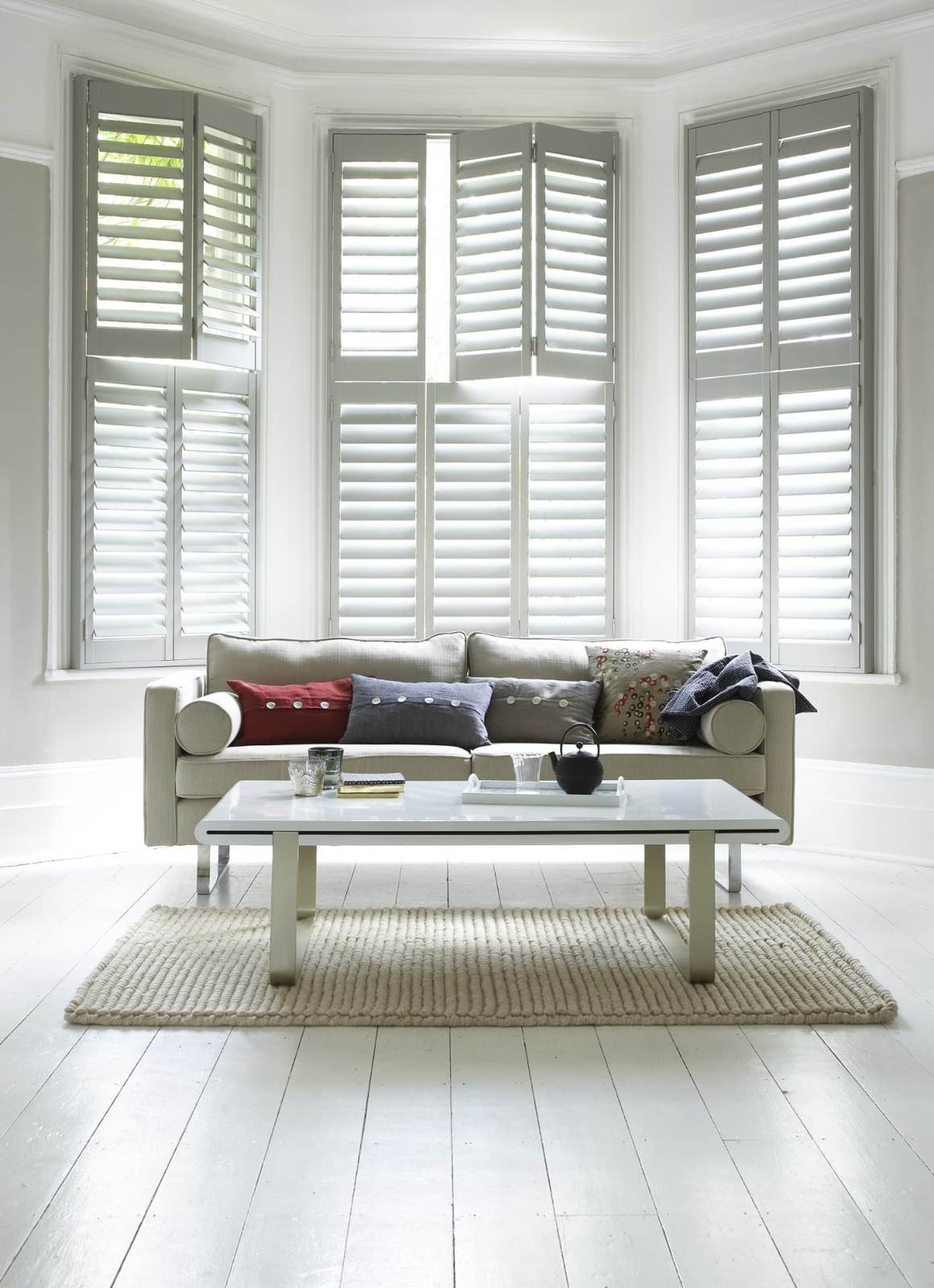
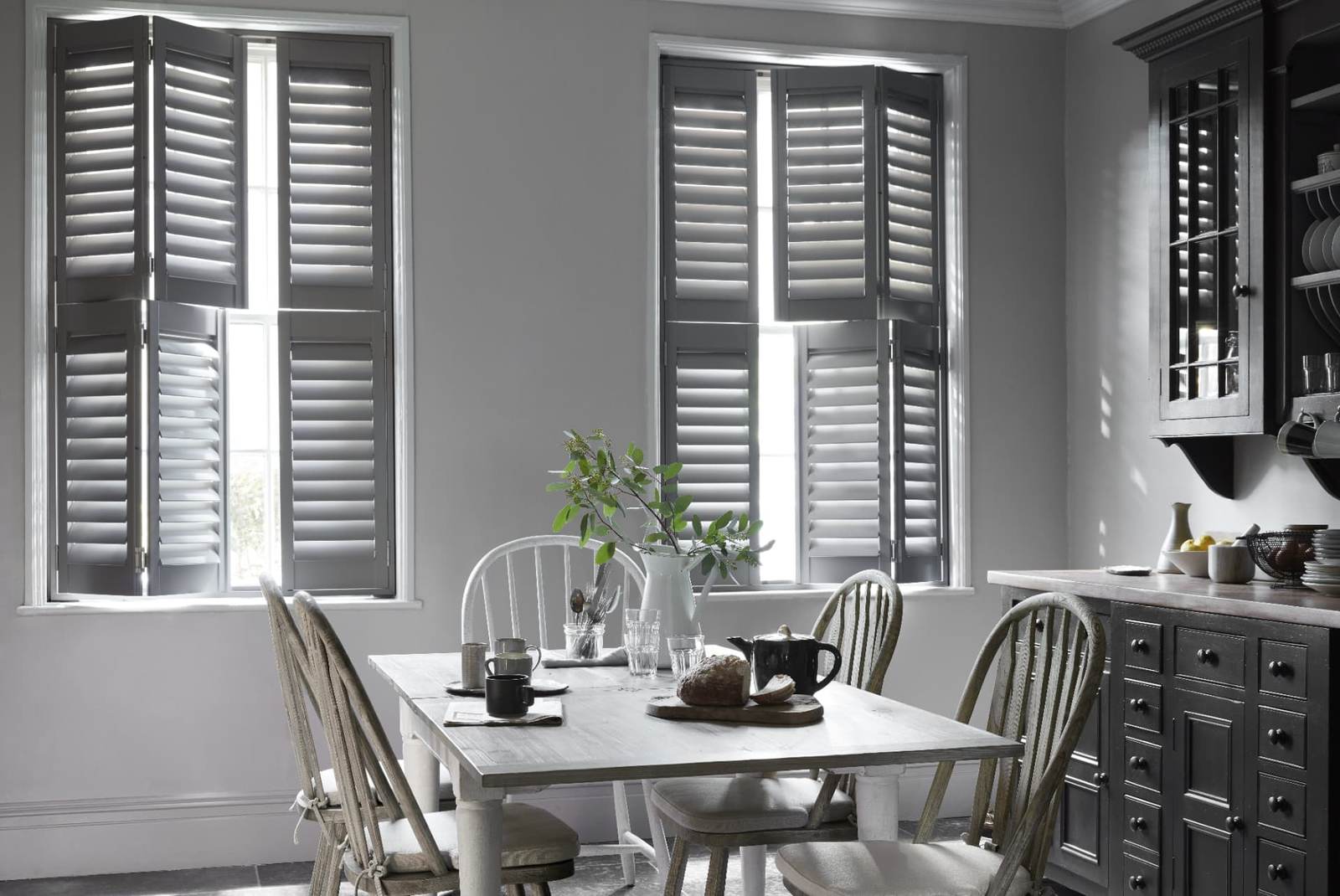
The single decision that makes or breaks a sash installation is where the horizontal division of the shutter sits. Set it level with the meeting rail, where the two sashes overlap, and the shutter looks like it was designed with the window. Set it fifty millimetres off and the eye notices every time.
There is an argument for going slightly above the meeting rail rather than exactly on it, because from a standing position the sight line falls a little below the true horizontal. On a tall window we will discuss it at survey with the panels held up.
Keeping the window usable
Shutters fit inside the reveal, so the sash still slides behind them. You open the panels, then open the window, which is the same sequence as with any interior shutter and takes a week to become automatic.
Two things to raise at survey. Sash horns, the small projections at the bottom of the upper sash on Victorian and Edwardian windows, sit proud of the frame and can foul a panel that closes too tightly into the reveal. And a sash lock or fitch fastener at the meeting rail sits in exactly the place a mid-rail wants to be. Both are solved with frame depth, which is why the depth of your reveal is measured as carefully as its width.
Recess fit or face fit
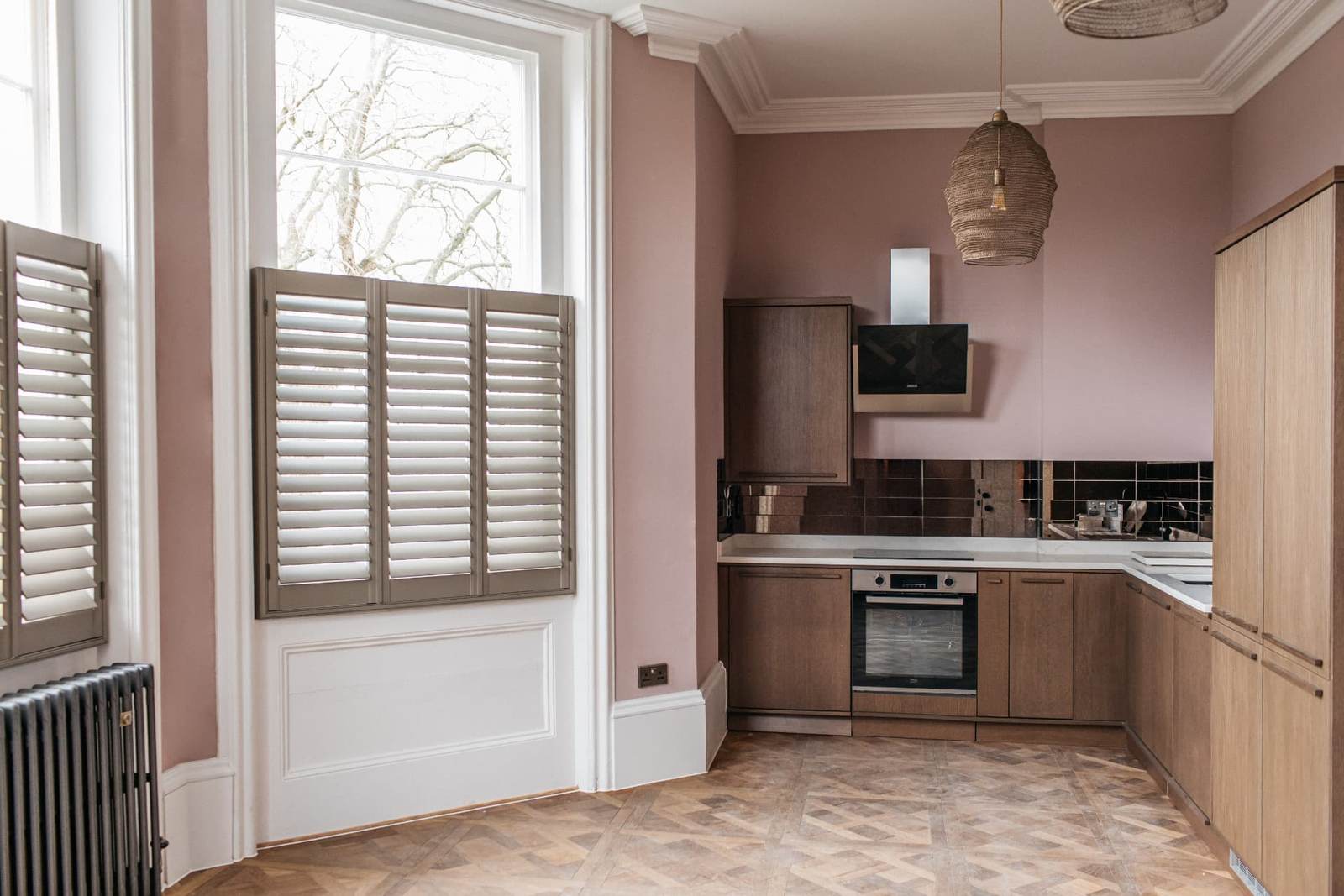
- Recess fit sits the frame inside the reveal. It is the better looking option, it preserves the sill as a shelf, and it needs enough depth to clear the sash, the ironmongery and any trickle vent.
- Face fit mounts the frame on the wall around the opening. It is the answer for a shallow reveal, and it can be built out with a lining so it still reads as joinery rather than as a box.
- Bi-fold or partial recess arrangements suit very deep Georgian reveals where the panels would otherwise be lost in the opening.
Louvre size and finish
76mm is the default on a sash. It suits the vertical proportion, and it closes down tightly enough for a room facing a street. 89mm is worth considering on a large Georgian or Edwardian sash where the glass is generous.
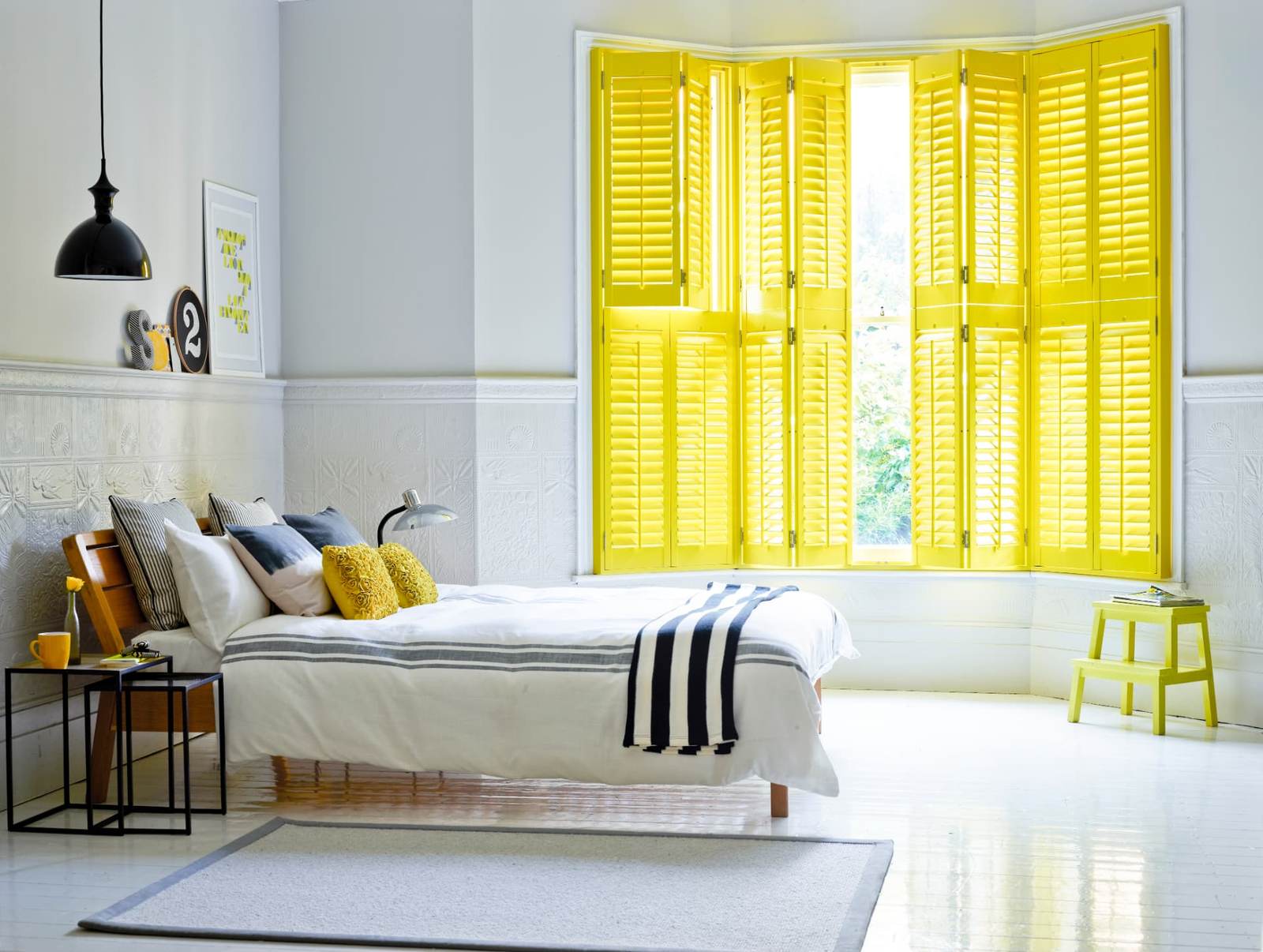
Painted rather than stained, in almost every case. A sash window is usually painted itself, and matching the shutter to the existing woodwork gives you a window that reads as one thing rather than two.