Why material is not negotiable
A bathroom cycles between very humid and very dry several times a day. Timber moves with moisture, and a painted hardwood panel that spends years absorbing steam will show it at the joints first, then across the louvres.
Waterproof PVC is water resistant right through the section rather than sealed on the surface, so it does not care. It is wipeable, it will not swell, and it holds a white finish without yellowing in a room that gets little natural light.
We will not fit a timber shutter over a bath or in a shower room, even if asked. It is a guarantee claim waiting to happen and we would rather have the conversation once, at the survey.
Choosing a style
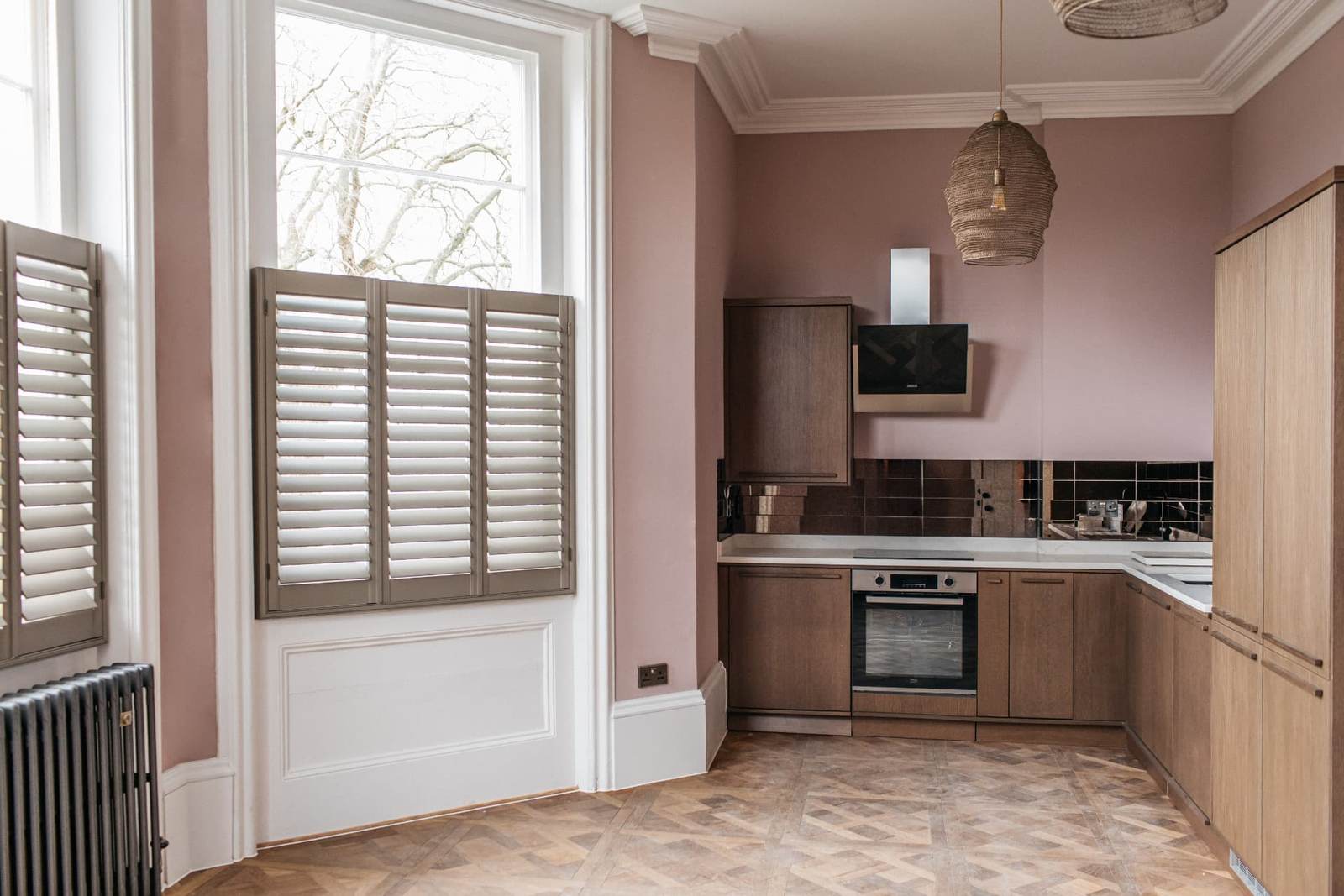
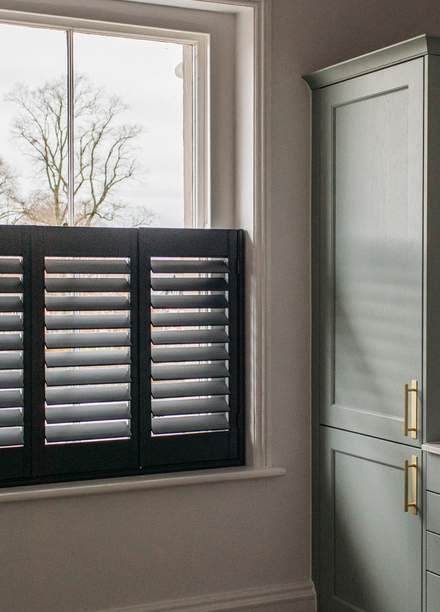
Café style is the most common bathroom specification. Privacy is needed at the height that people outside can see, and light and ventilation are needed above it. Covering the lower half of the window does both, and costs less than covering all of it.
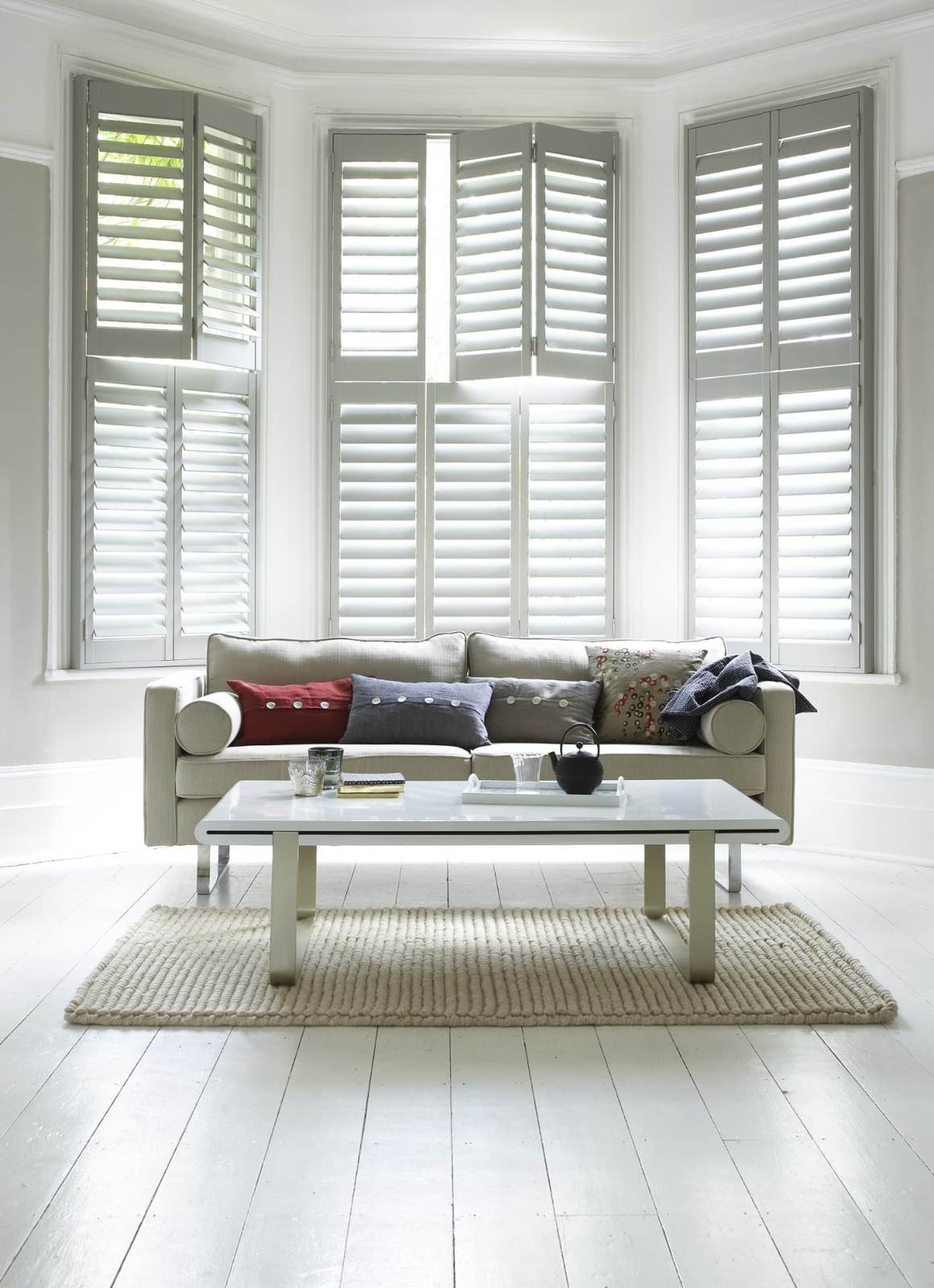
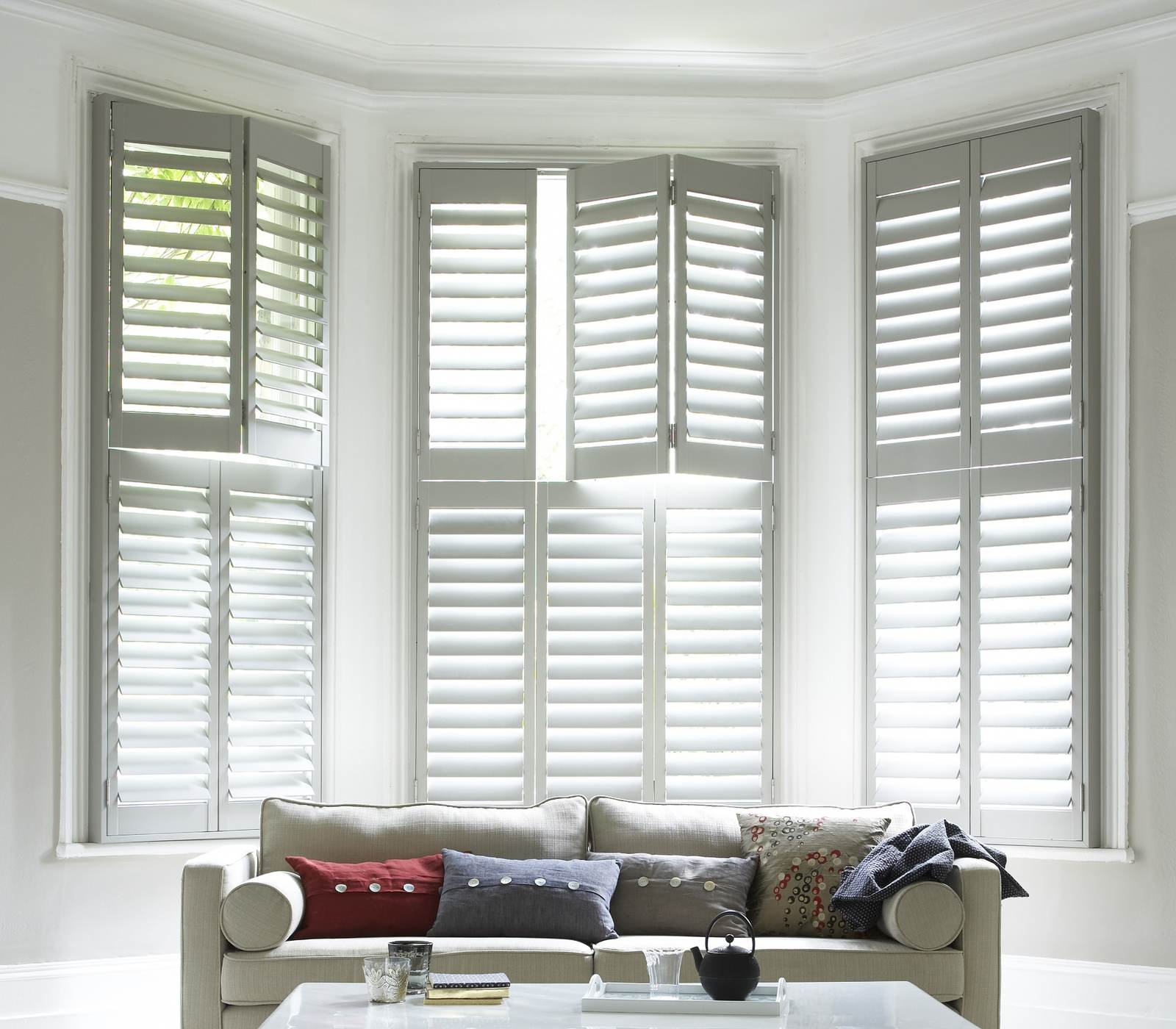
Full height suits an overlooked bathroom where you want the option of closing the whole window, particularly on a ground floor.
Solid panels, with no louvres at all, work well on a small frosted window where the shutter is purely there to look right rather than to control light.
Practical details to raise at survey
- Window over a bath. The panels need to be reachable to open, and everything within a splash zone must be PVC.
- Tiled reveals. Tile thickness reduces the usable opening, and drilling into tile needs planning rather than improvisation on the day.
- Trickle vents and extractor grilles must stay clear. Blocking ventilation in a bathroom causes condensation problems elsewhere.
- Window handles. Bathroom casements often open inward, which changes the frame depth required.
- Hinges. Stainless Steel is the sensible finish in a humid room. Brass will tarnish faster here than anywhere else in the house.
Cleaning and condensation
PVC panels wipe down with a damp cloth and a mild detergent, which is genuinely easier than any fabric alternative in a bathroom.
Condensation does not damage the shutter, but it will sit on the sill behind the panels if the room is not ventilated. Run the extractor, open the window when you can, and wipe the sill. The shutter is not the cause of a condensation problem, though it will be blamed for it.