The starting point
Like every shutter, a bay is priced from the area of the opening, including VAT, delivery and installation. A three sided bay is typically around 5m² and a large or splayed bay around 7m², which is where the figures above come from.
The area calculation is only the base. Everything that makes a bay a bay adds to it.
Why a bay costs more than the same area of flat window
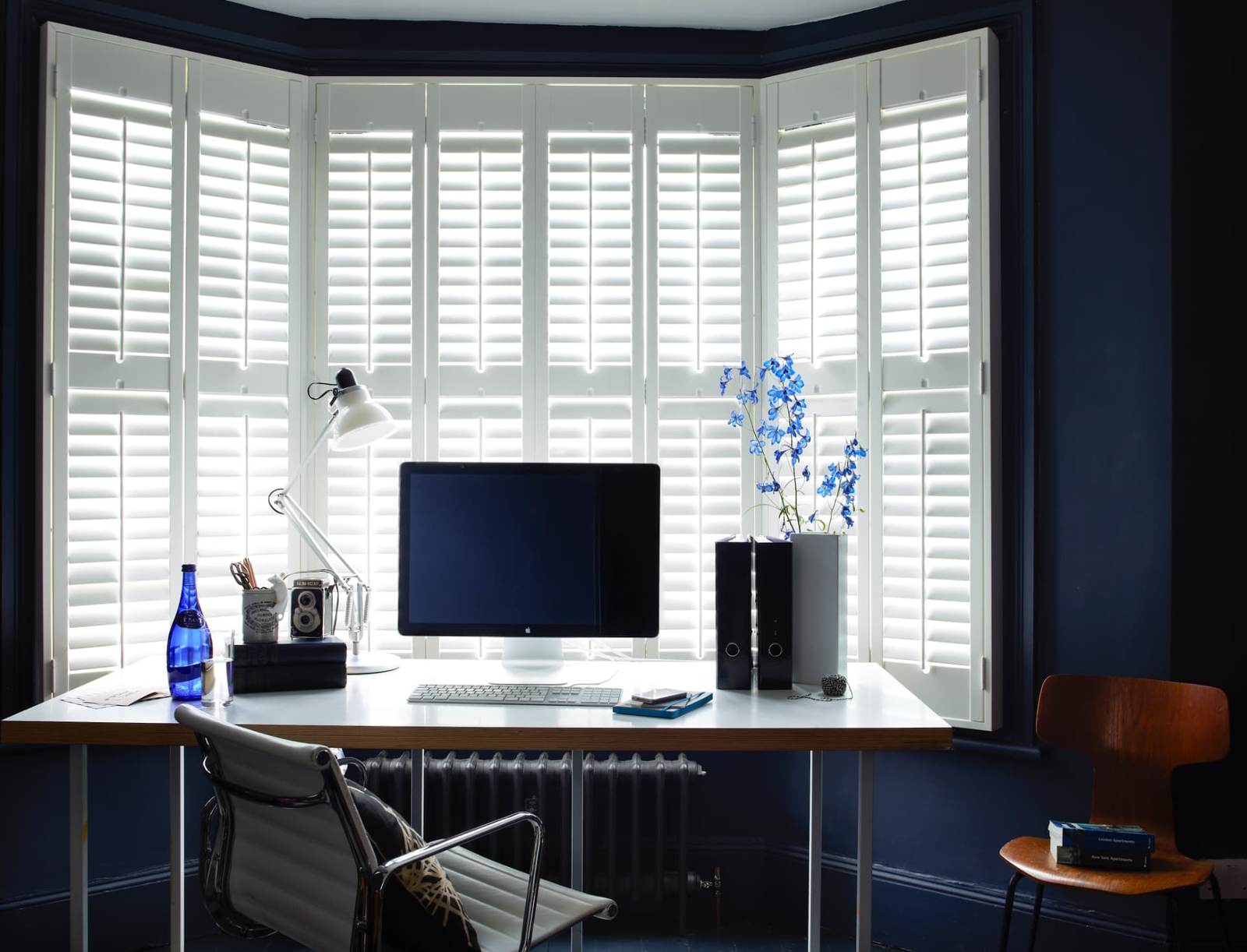
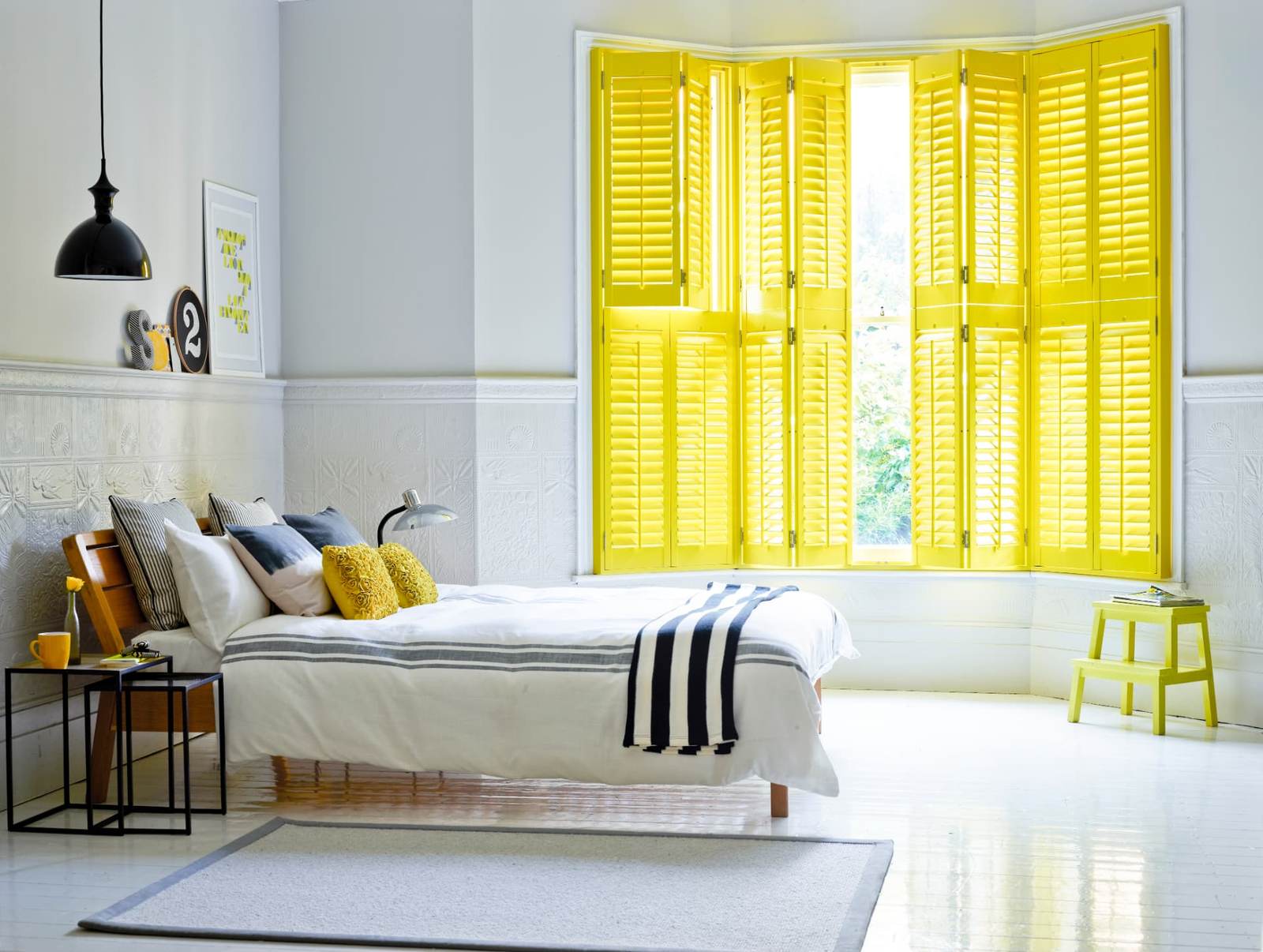
- Multiple frames. Each face of the bay is its own frame, made and fitted separately, then mitred into the next at the angle of the bay.
- More panels. Three faces usually mean four or five panels rather than the two you would hang on a single window.
- Angles. Mitred corner posts have to be cut to the actual angle of your bay, which is rarely the angle it appears to be on a plan.
- Survey time. A bay is measured face by face, with the angles taken individually. It is the longest part of most surveys.
- Fitting time. A bay is commonly half a day on its own, and two people where the panels are tall.
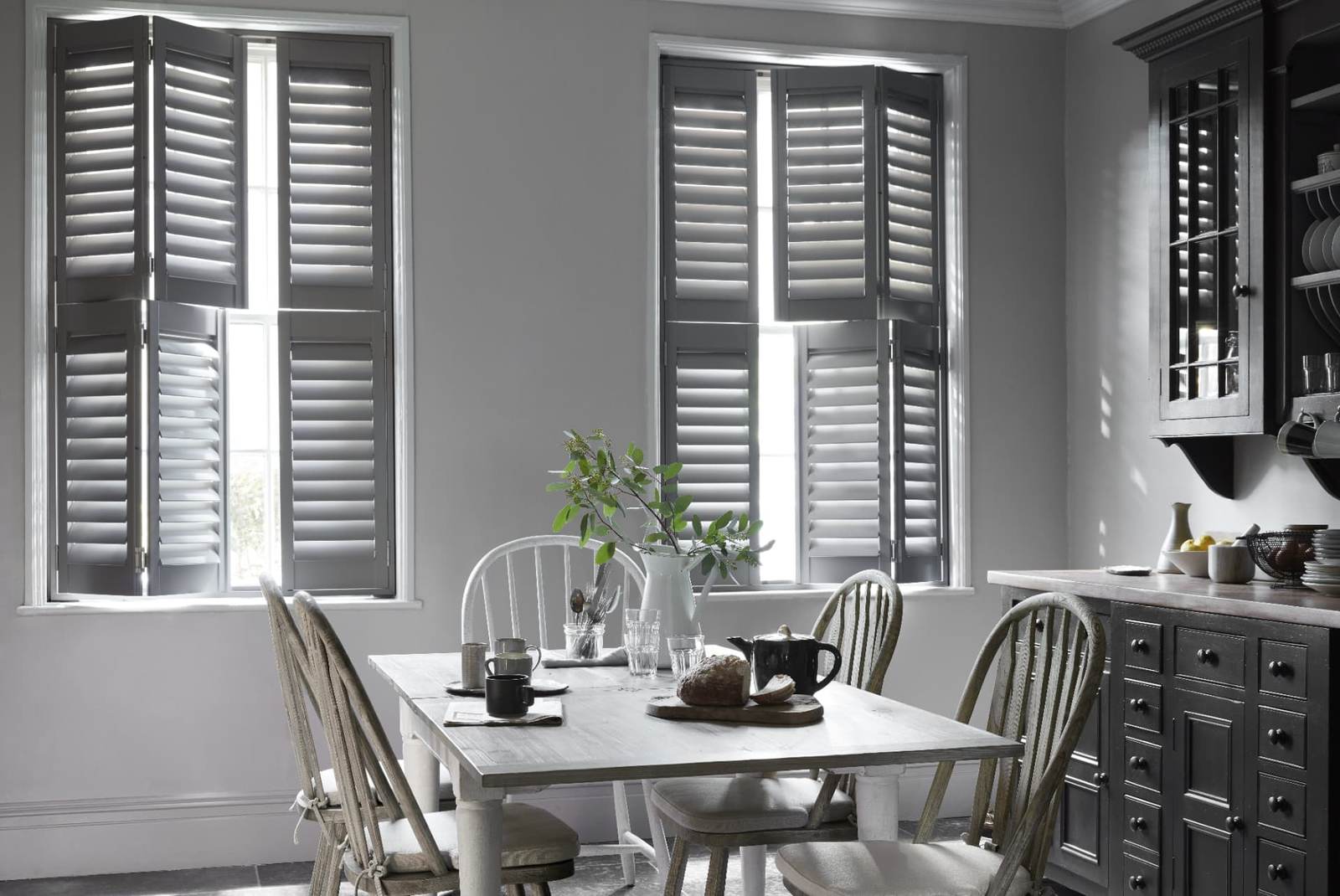
- Style. Tier-on-tier, which is the most popular choice on a front facing bay, is two independent panel sets on every face rather than one.
Indicative bay costs
Worked from our guide rate and typical bay sizes, including VAT, delivery and installation. Illustrative only, your bay will differ.
| Bay | Approximate area | Indicative cost |
|---|---|---|
| Small square bay, three faces | 4m² | £1,200 to £1,400 |
| Standard three sided bay | 5m² | £1,500 to £1,800 |
| Large or splayed Victorian bay | 7m² | £2,100 to £2,500 |
| Five sided or bow bay | 8m² | £2,400 to £2,900 |
Where quotes diverge
If you are comparing bay quotes and one is markedly cheaper, look for three things. Is VAT included. Is installation included. And is the price for a mitred frame or for square frames butted together at the corners, which is faster to make and looks it.
The other common difference is panel count. Fewer, wider panels are cheaper to make and swing further into the room. That is a legitimate choice, but it should be a choice you were told about rather than one you discover on fitting day.
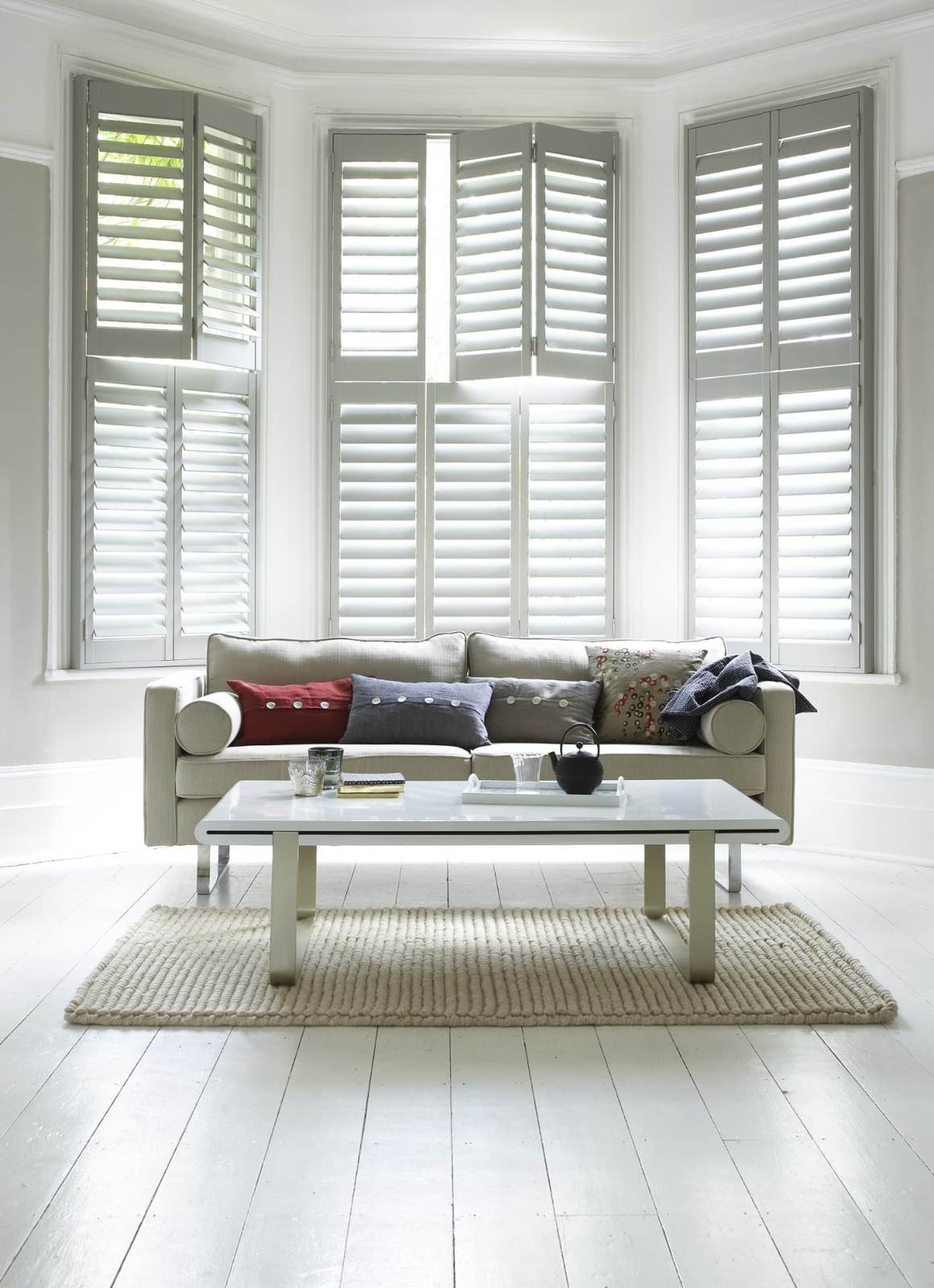
The tier-on-tier lounge is a good illustration of paying more deliberately. Splitting the panels cost more than a single run of full height would have, and it was the reason the room stayed usable in the evening without going dark.
From our projects
Tier-on-tier in a period lounge
A street-facing lounge that needed privacy at seated height without losing the daylight that made the room worth sitting in.
See the project